Healthcare Facility:
Helvetic Hospital of Mada.
Mada, Far North Region, 2026.
Context.
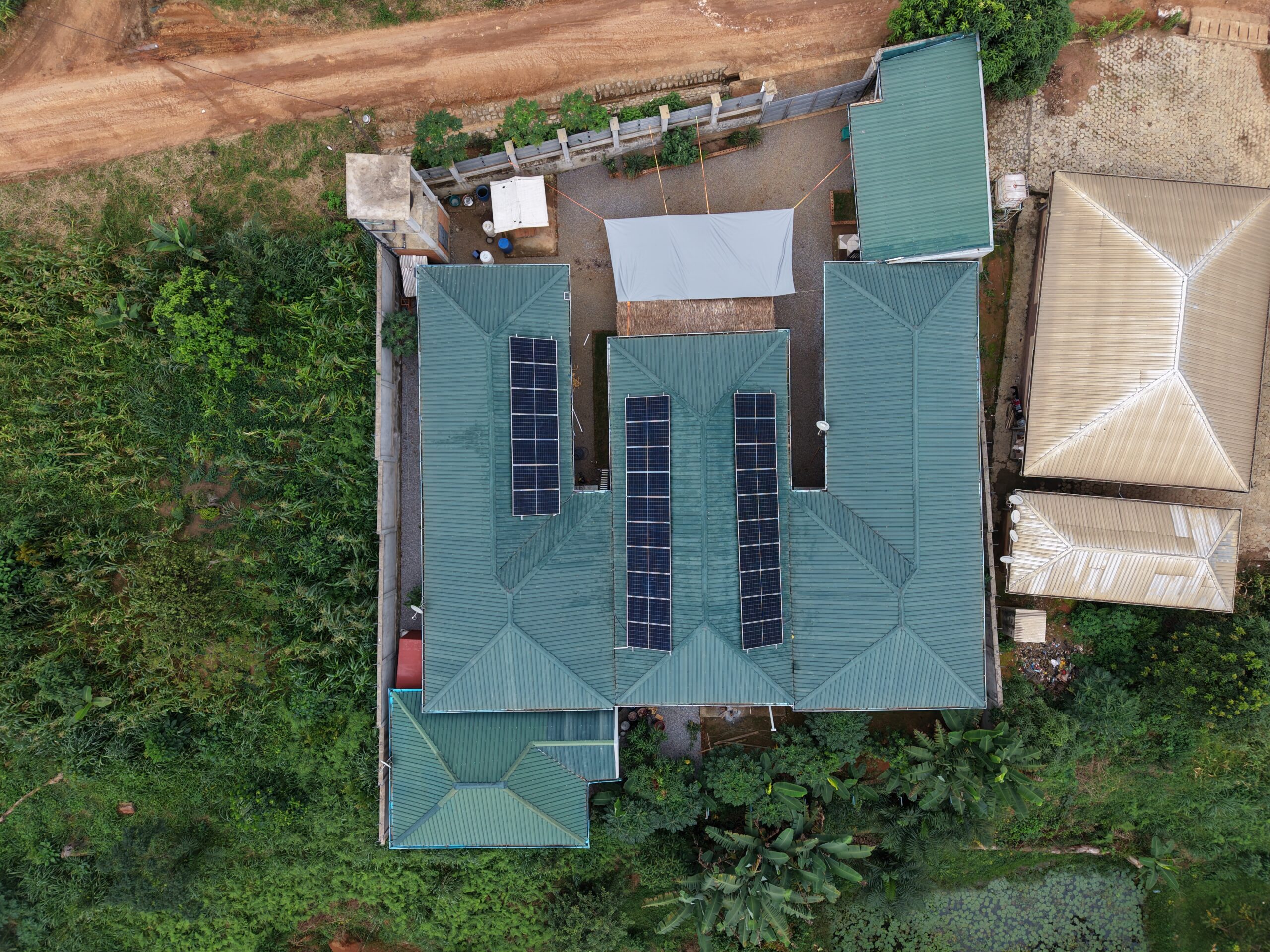
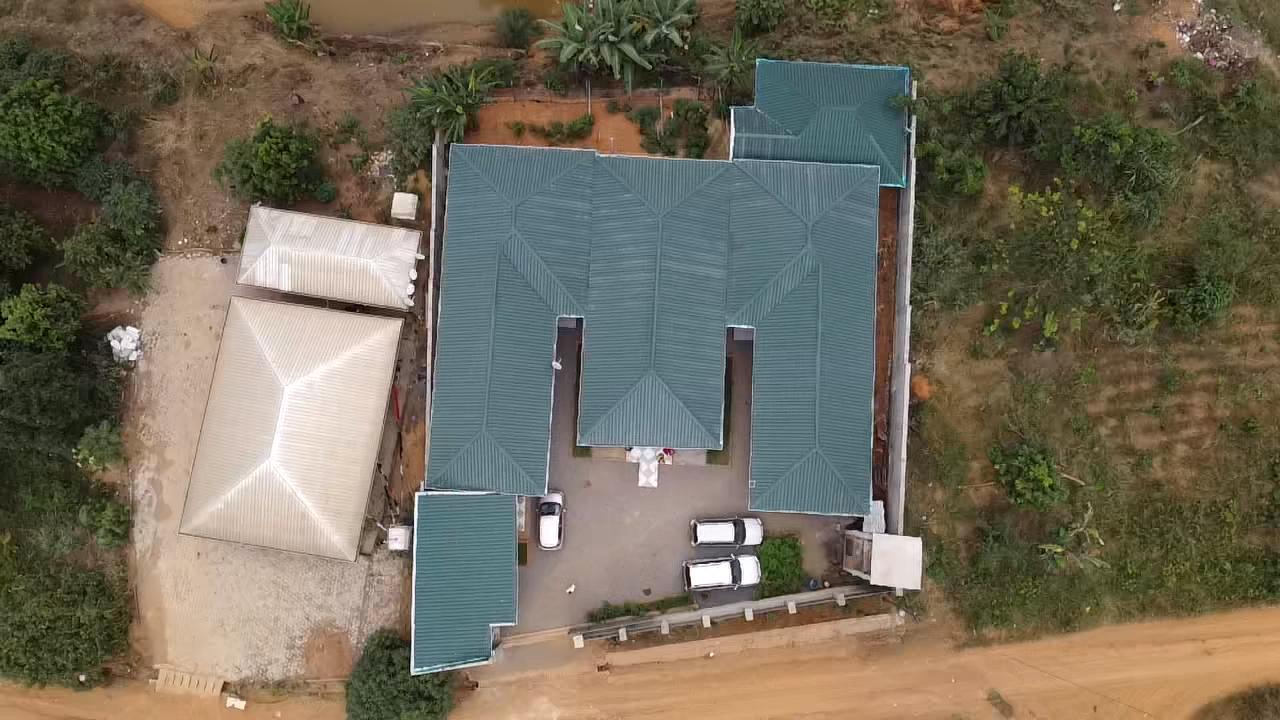
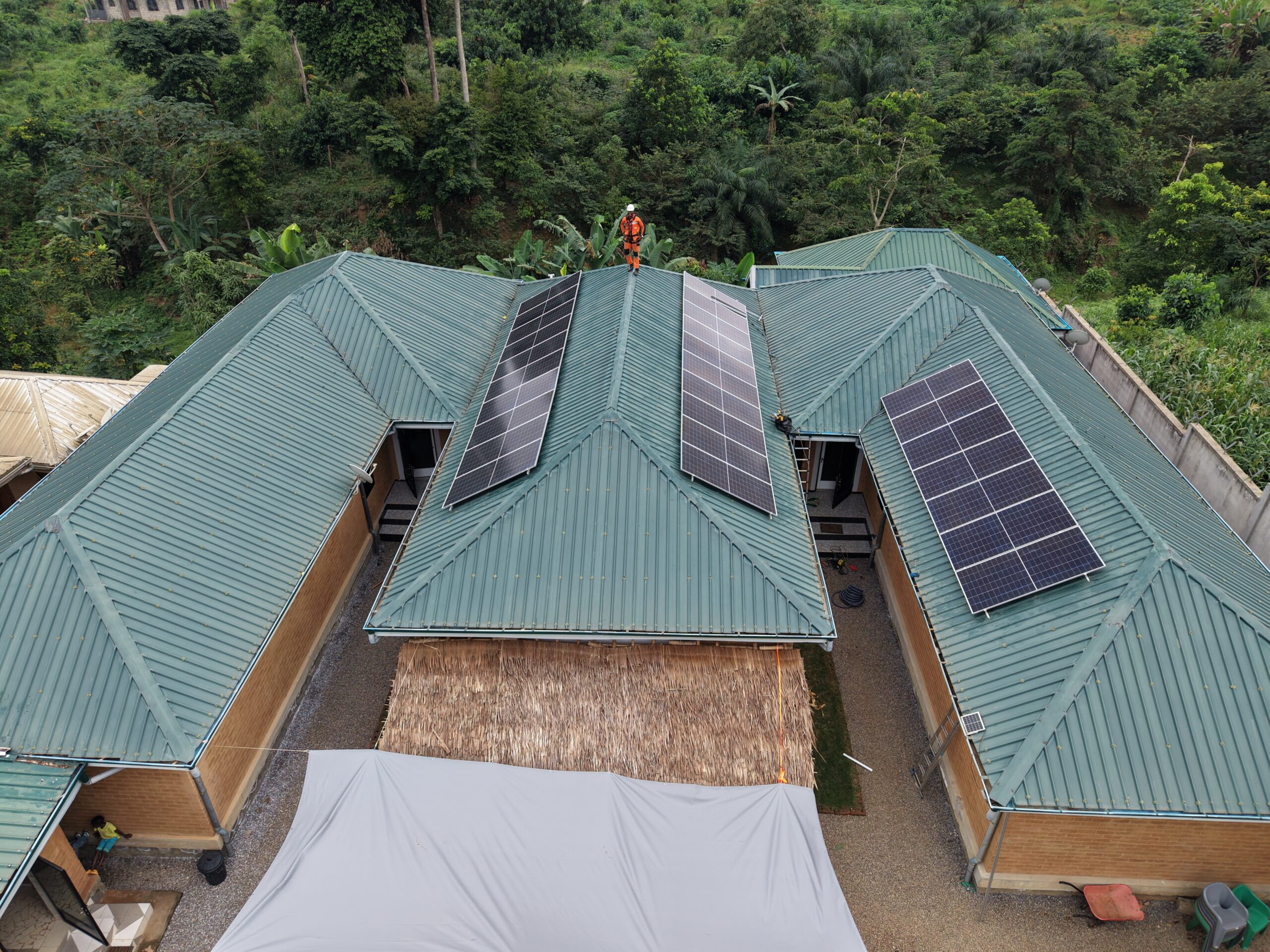
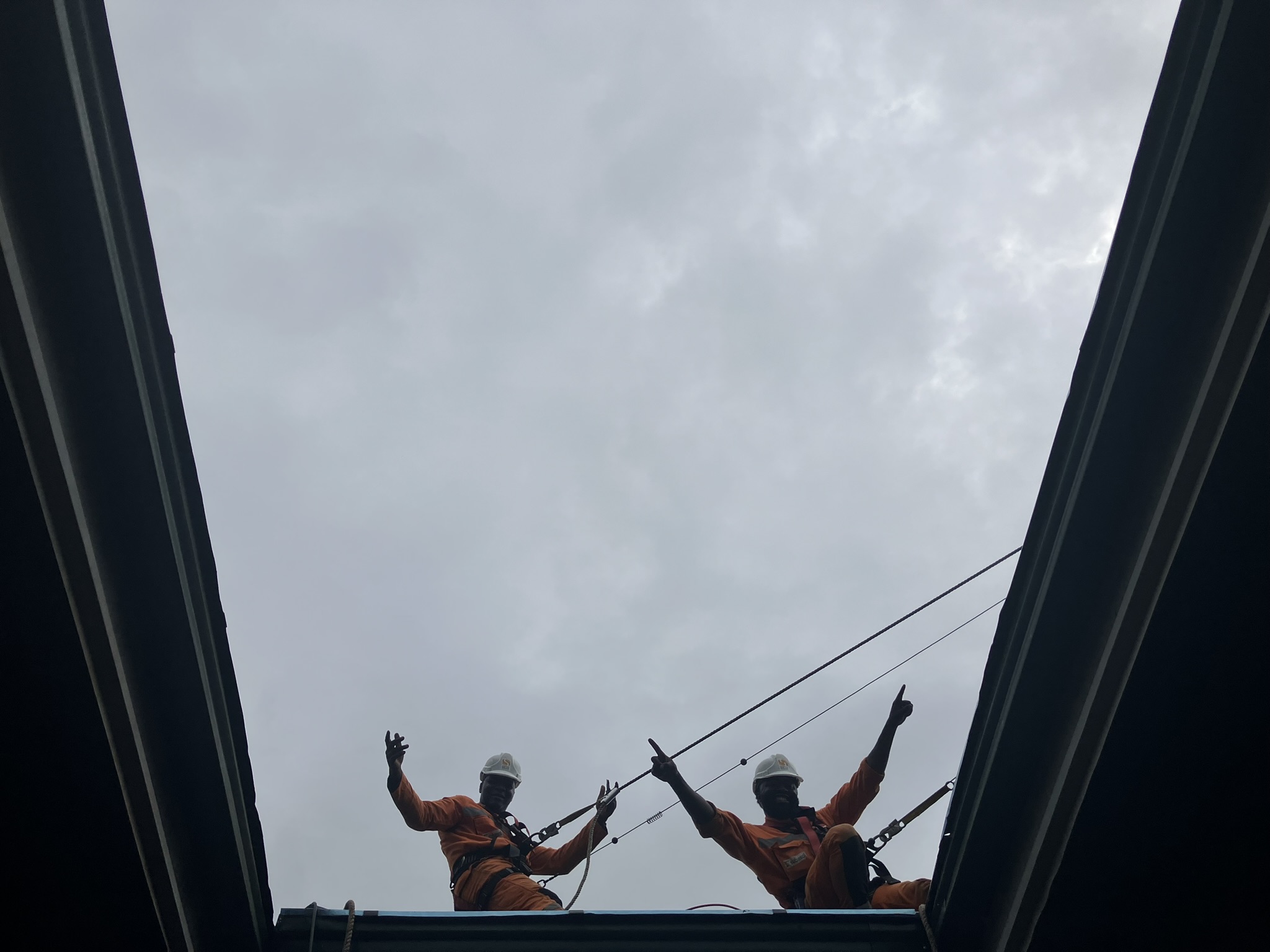
The Hôpital Helvétique de Mada, founded by Swiss doctor Giuseppe Maggi from 1975 onwards, provides healthcare in one of the most remote areas of Cameroon. With its strong Swiss-Cameroonian history, the project holds particular significance for African Solar Generation as a Swiss-Cameroonian company.
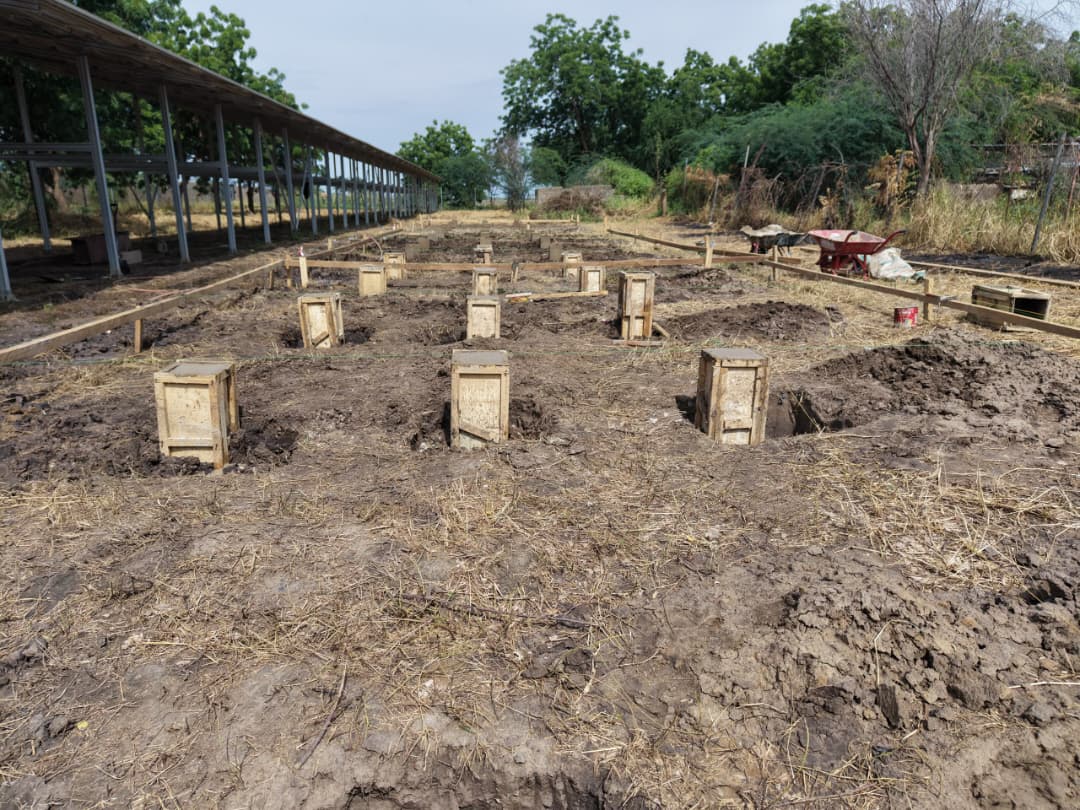
To provide the hospital’s staff accommodation with a reliable and independent electricity supply, an additional solar installation was required to complement the larger PV system already present on site.
Solution provided.
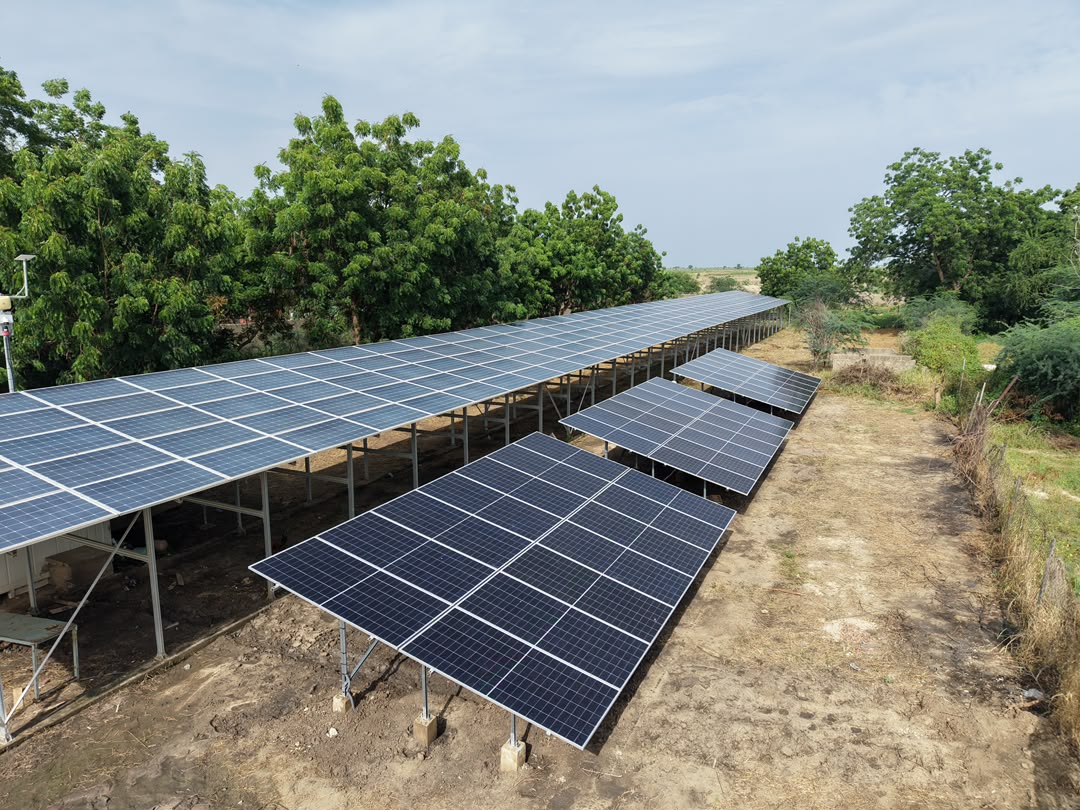
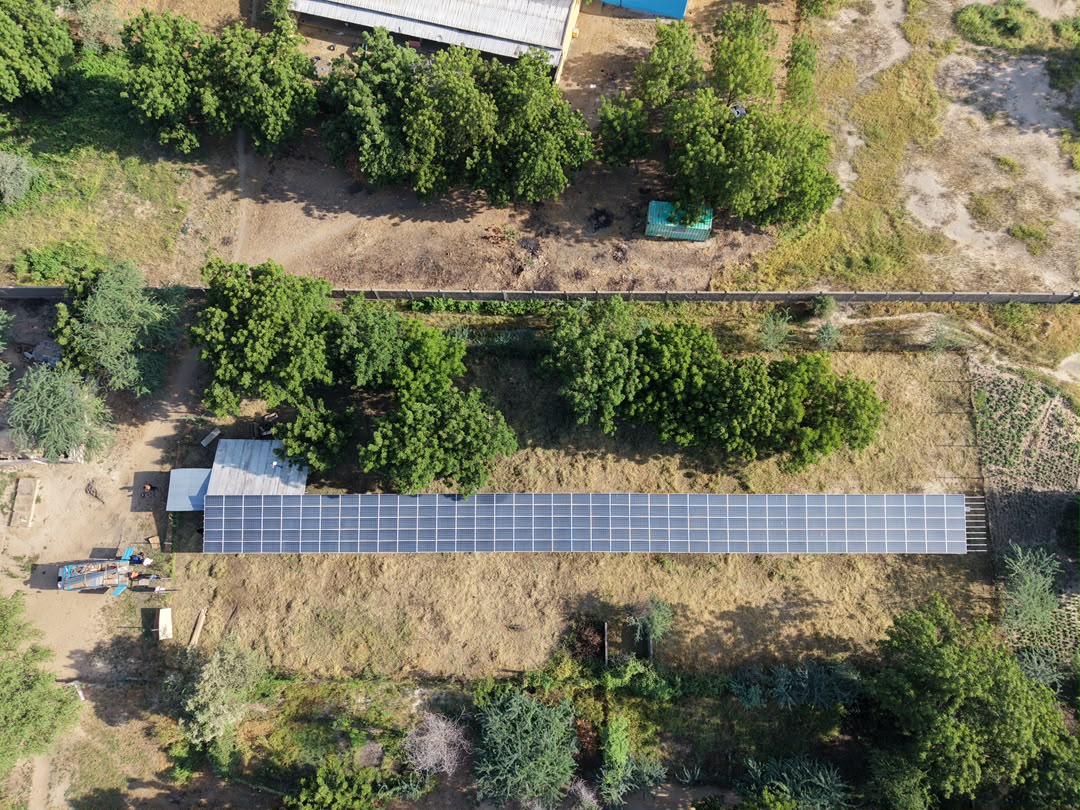
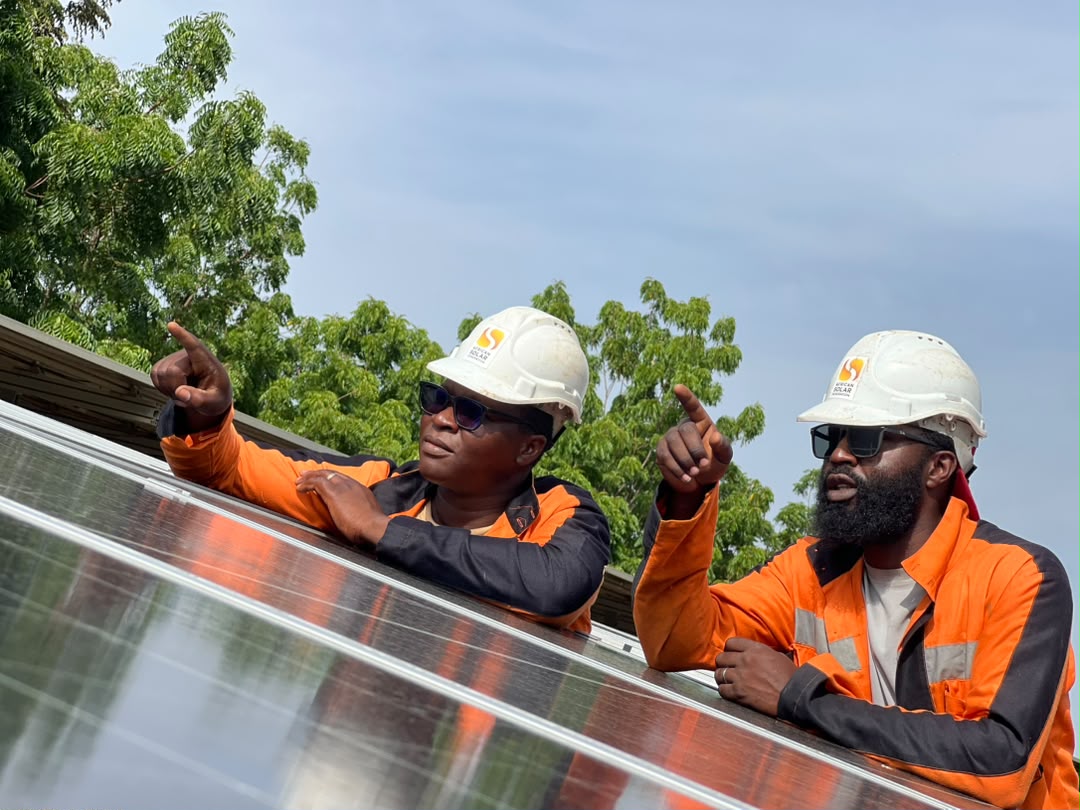
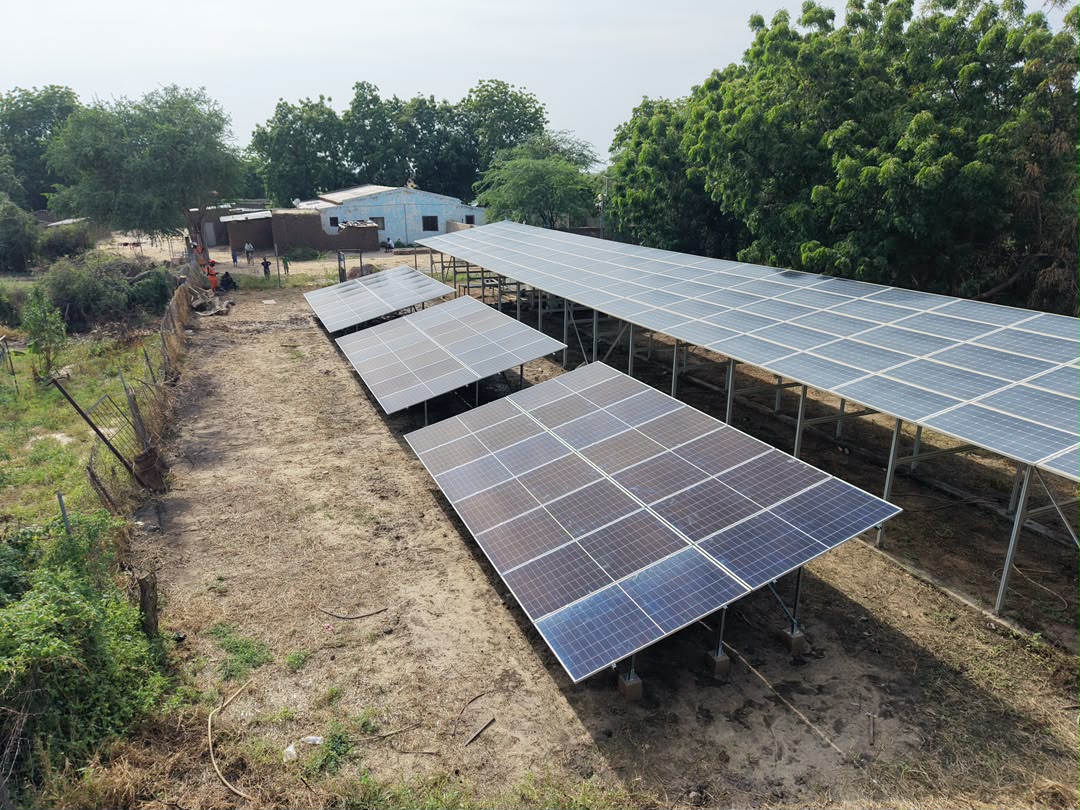
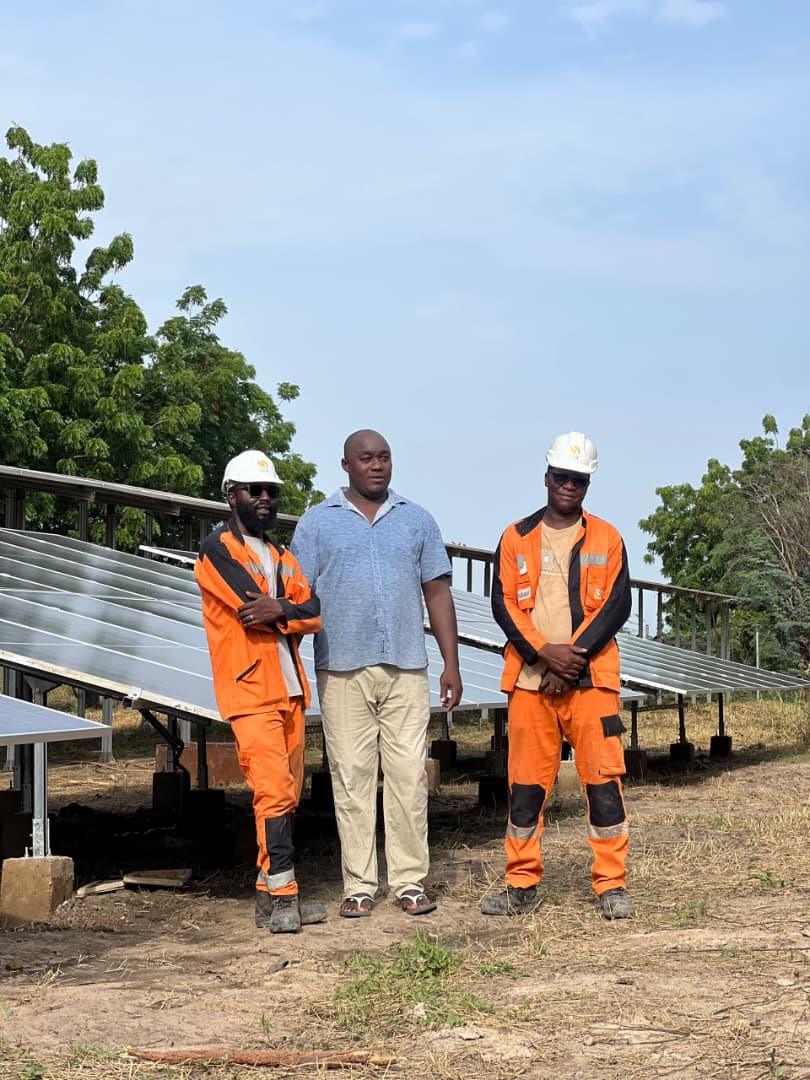
On behalf of its Swiss parent company subasol, African Solar Generation installed a 26.5 kWp off-grid ground-mounted solar system with 60 kWh of LFP battery storage.
Our impact.
- Reliable off-grid electricity supply for the hospital’s staff accommodation.
- Increased energy autonomy and reduced dependence on conventional electricity sources.
- Strengthened resilience of the hospital in a remote region facing a challenging security situation.
- Reduced dependence on conventional electricity sources.
- Improved living conditions for hospital staff.
- Contribution to the long-standing Swiss-Cameroonian connection of the Hôpital de Mada.
Training centre:
Centre for Impulse and Exchange Bimawo.
Yaoundé, Central Region, 2026.
Context.
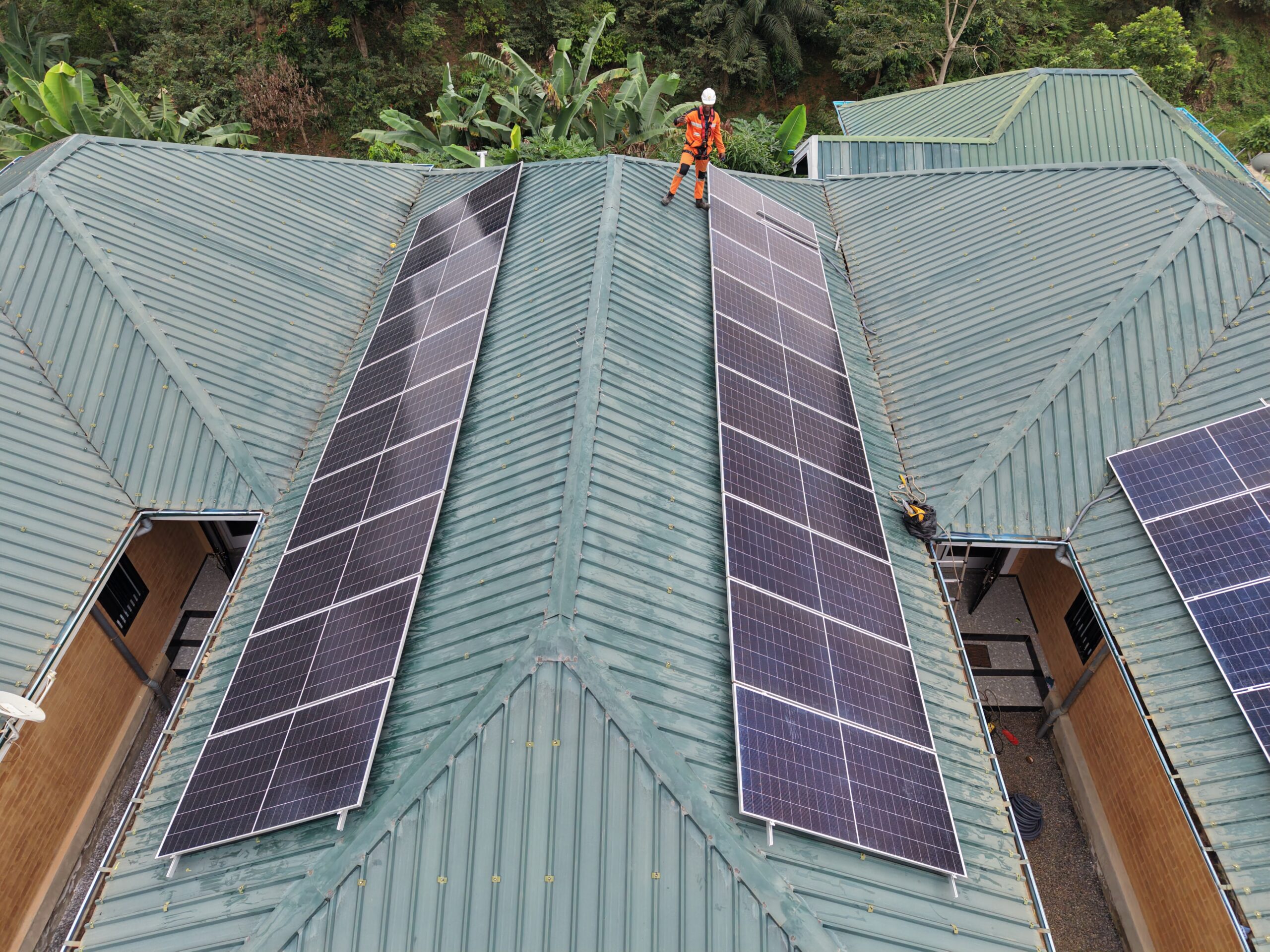
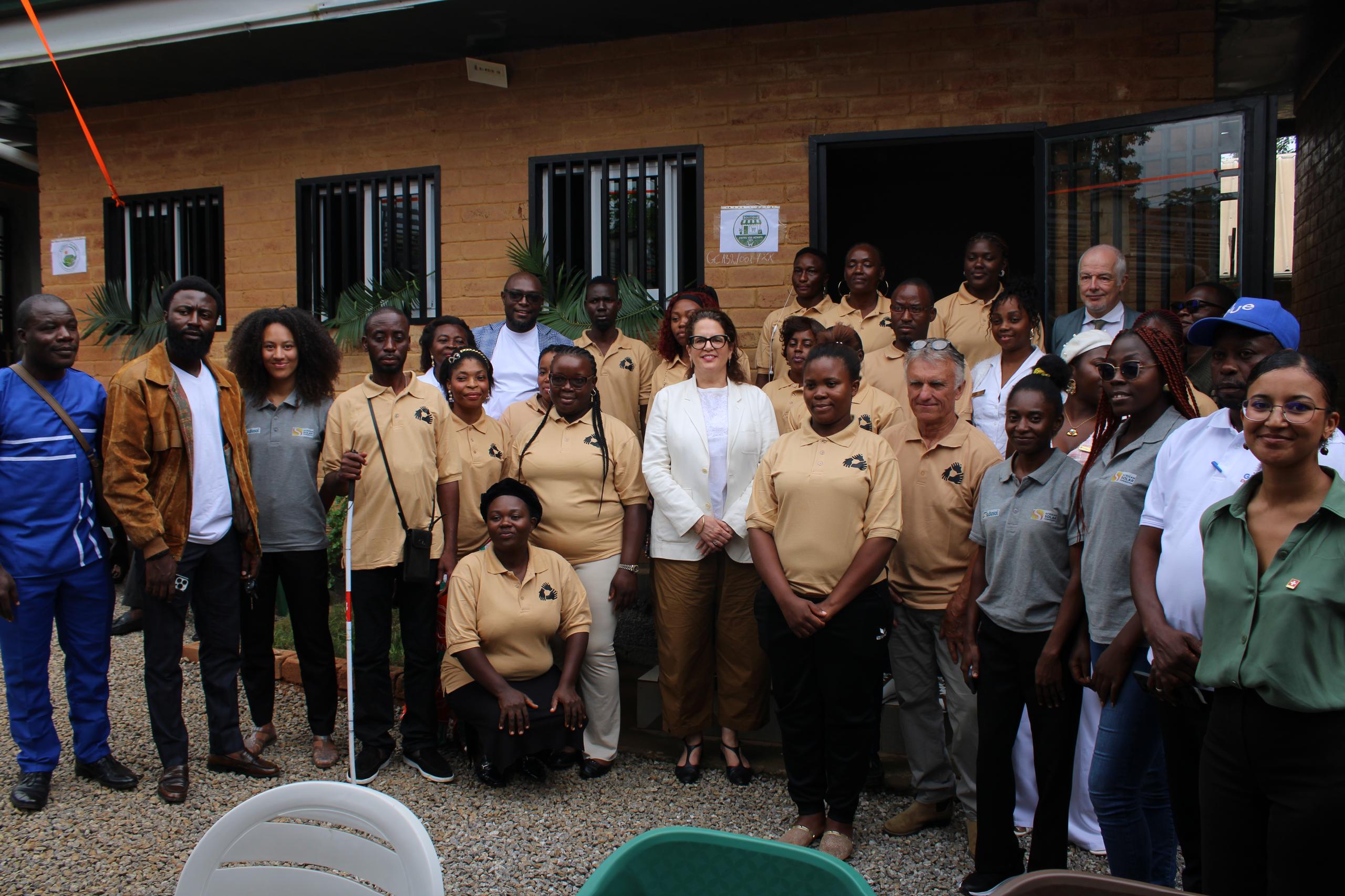
The BIMAWO Centre for Exchange and Empowerment in Mindick, Yaoundé, was created as a space dedicated to education, exchange, empowerment, and sustainable local development. To support these activities effectively, the centre required a reliable and sustainable source of electricity, reducing its dependence on an unstable grid supply and ensuring continuity of its operations.
Solution provided.
African Solar Generation installed a 16 kWp hybrid solar system with 30 kWh of battery storage, which has been powering the BIMAWO Centre.
Our impact.
- Reduction in CO₂ emissions: ≈ 19 t CO₂/year
- Reliable and sustainable electricity supply for the centre’s activities.
- Reduced dependence on the electricity grid.
- Reduction in energy costs.
- Support for education, innovation, and sustainable local development
Cultural institution:
Goethe Institut Cameroon.
Yaoundé, Central Region, 2026.
Context.
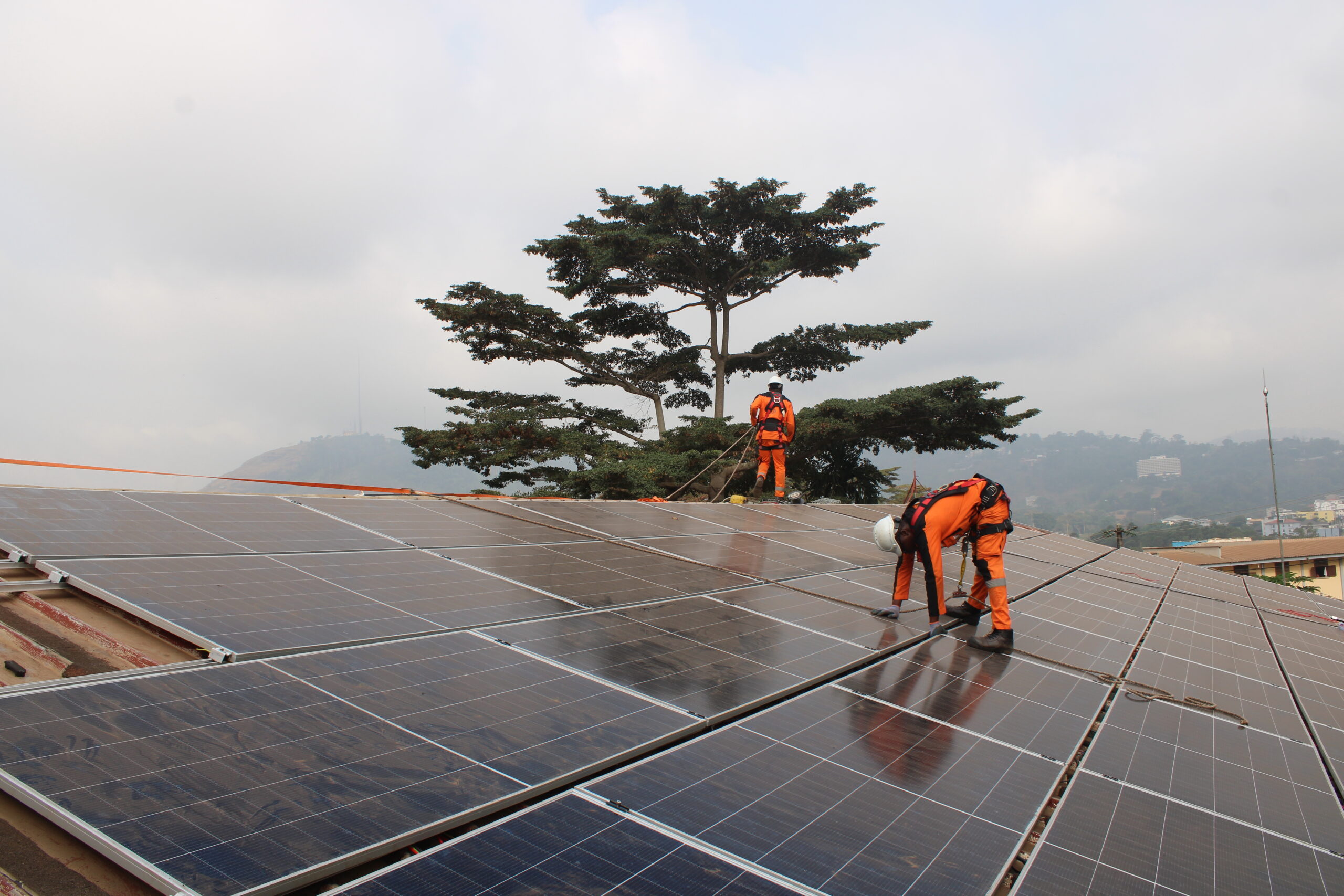
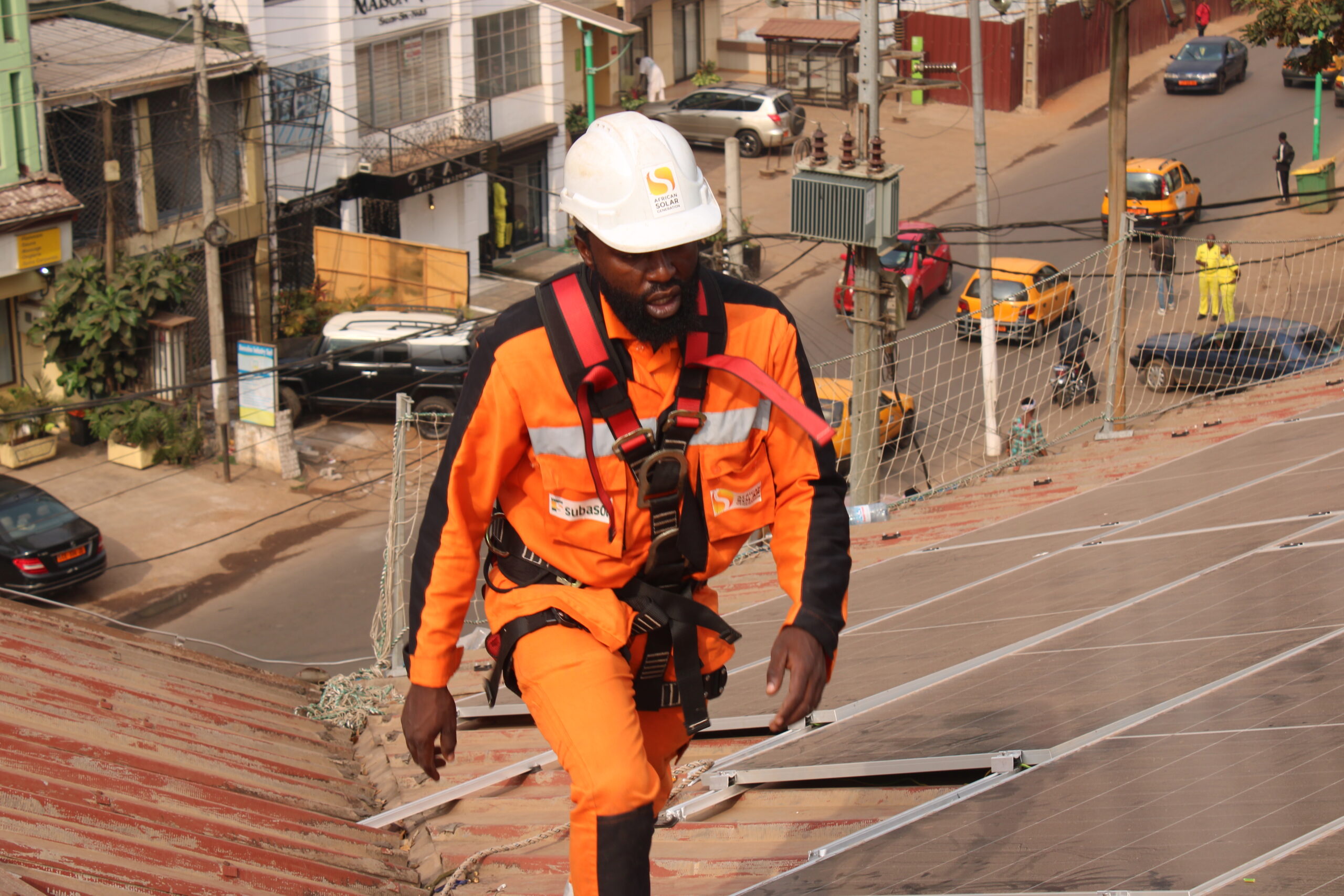
The Goethe Institute in Yaoundé was heavily dependent on expensive and polluting generators. The decision to install a photovoltaic system is part of the Goethe Institute’s ambition to reduce its environmental impact, promote green innovation and actively contribute to the energy transition.
Solution provided.
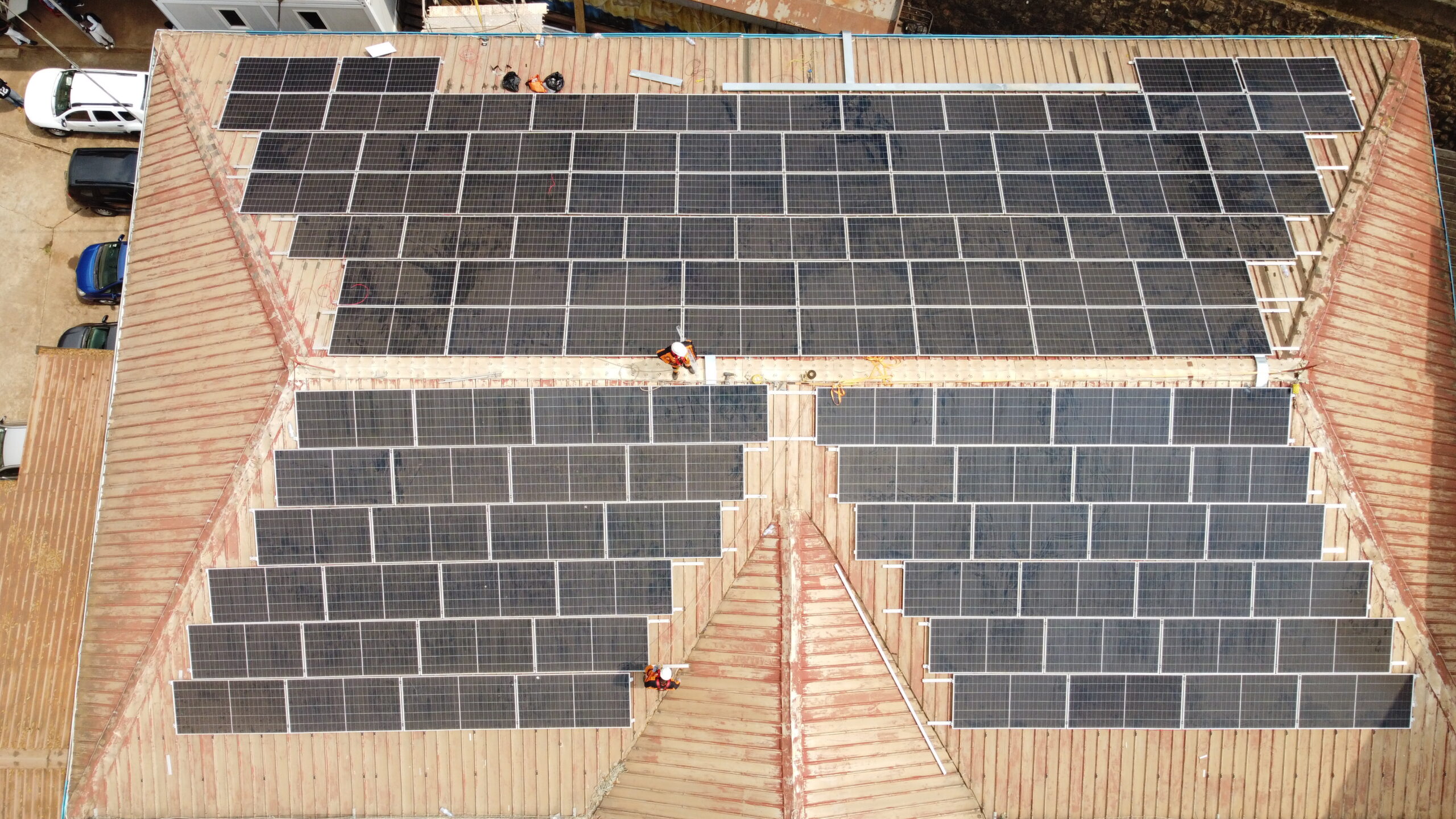
Installation of a 64 kWp hybrid photovoltaic system on the roof of the institute, with integration of an energy storage system.
Our impact.
- Reduction in CO₂ emissions: ≈75 t CO₂/year
- Reduction in electricity costs.
- Pioneering project: one of the first commercial installations of this technology in Africa (102 kWh high-voltage sodium-ion battery (NaFePO₄).





Biomedical institution:
Pasteur Center.
Yaoundé, Central Region, 2021.
Context.
Due to regular power cuts, the Pasteur Center was forced to use polluting and costly generators
in order to continue its biomedical activities reliably.
Solution provided.
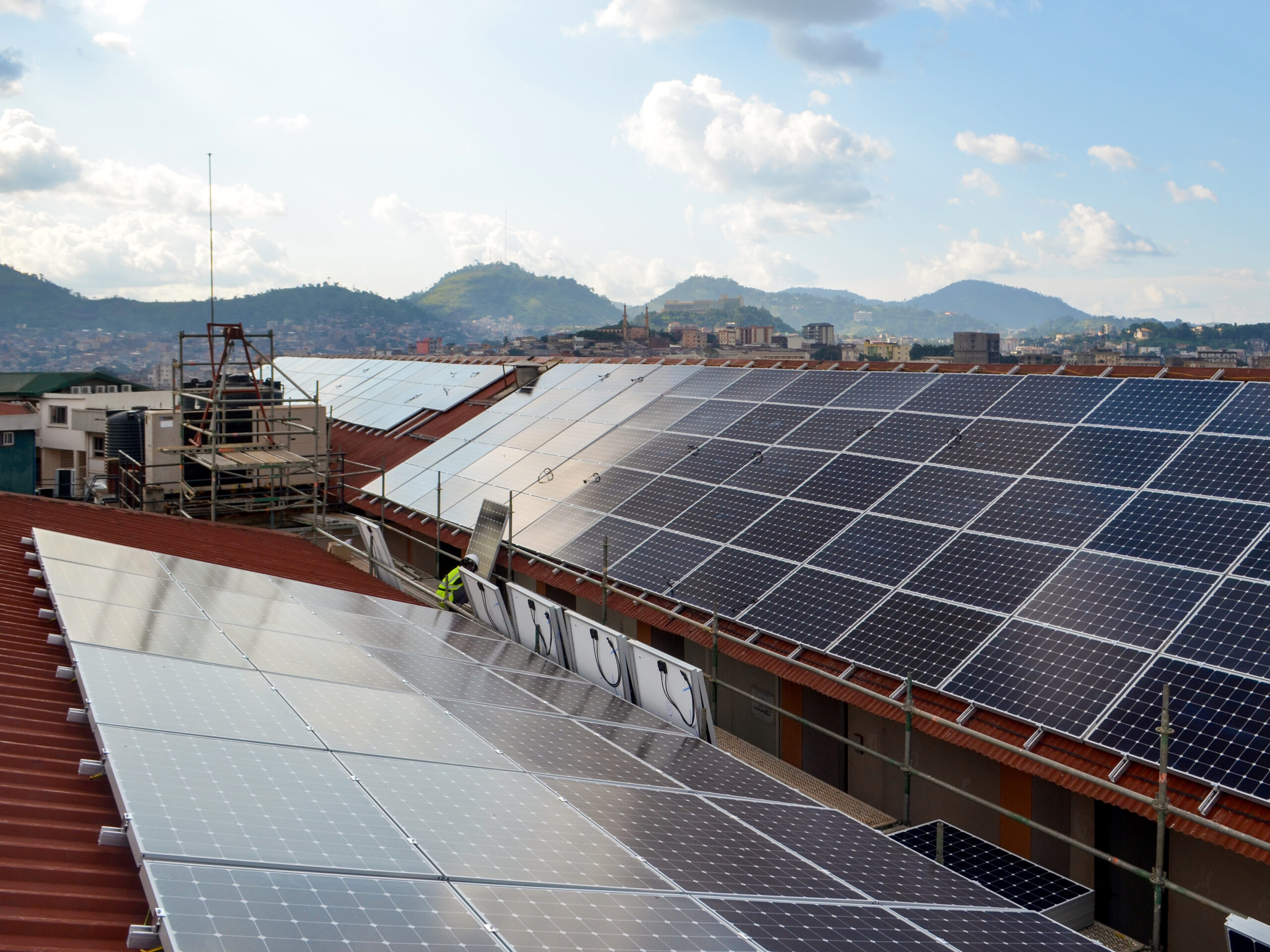
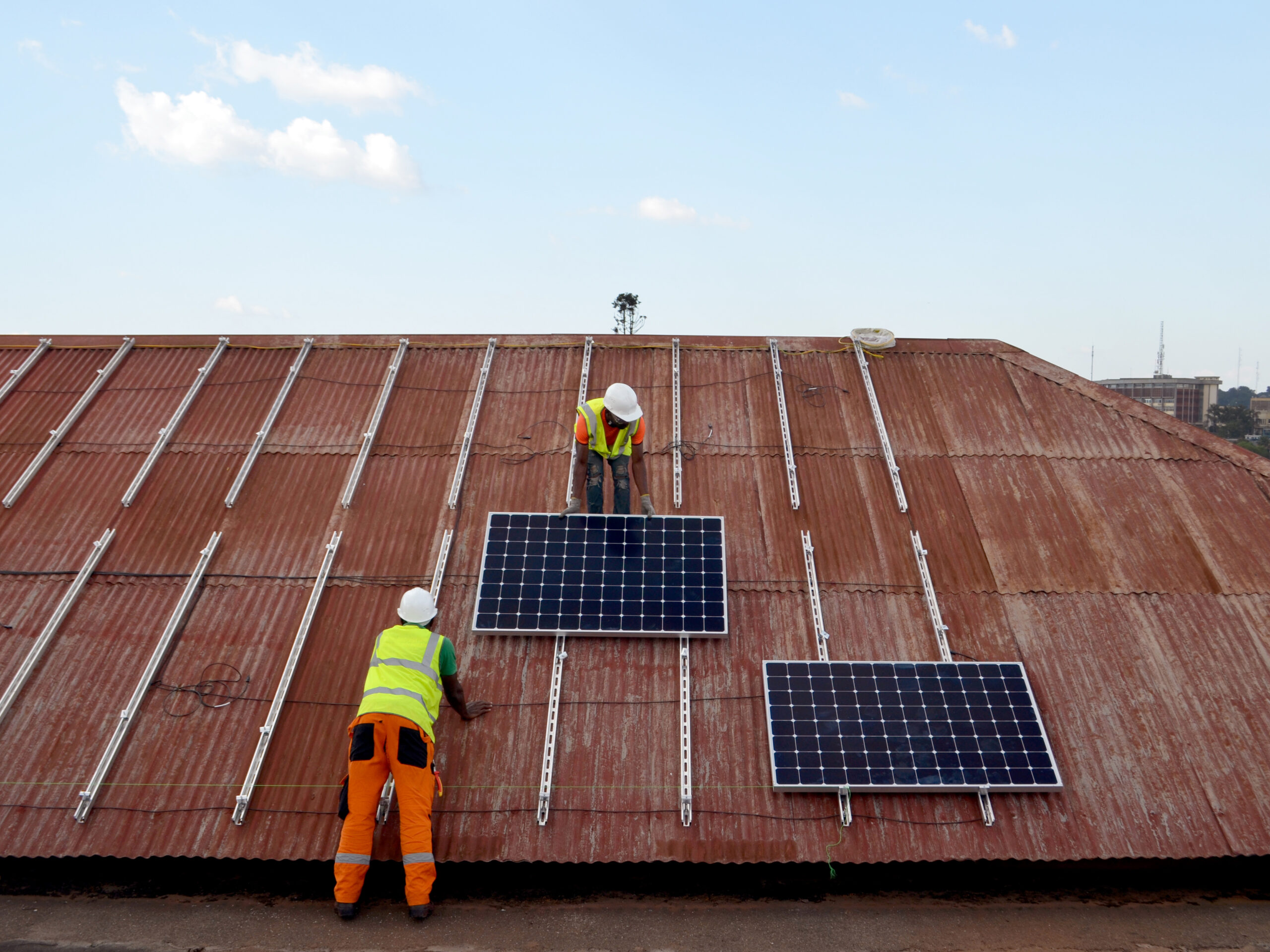
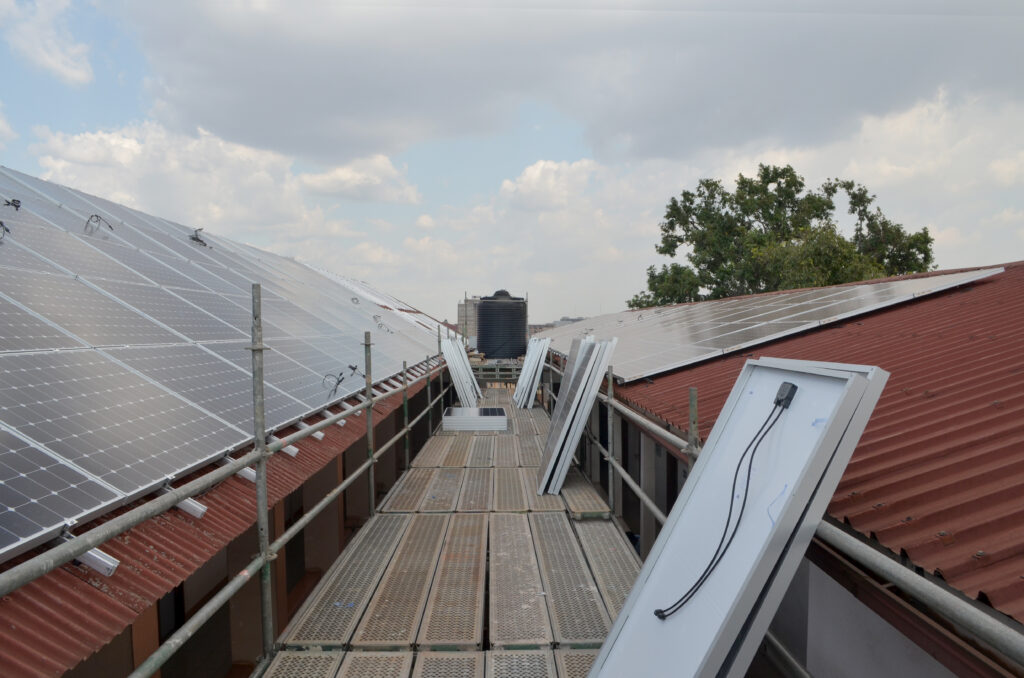
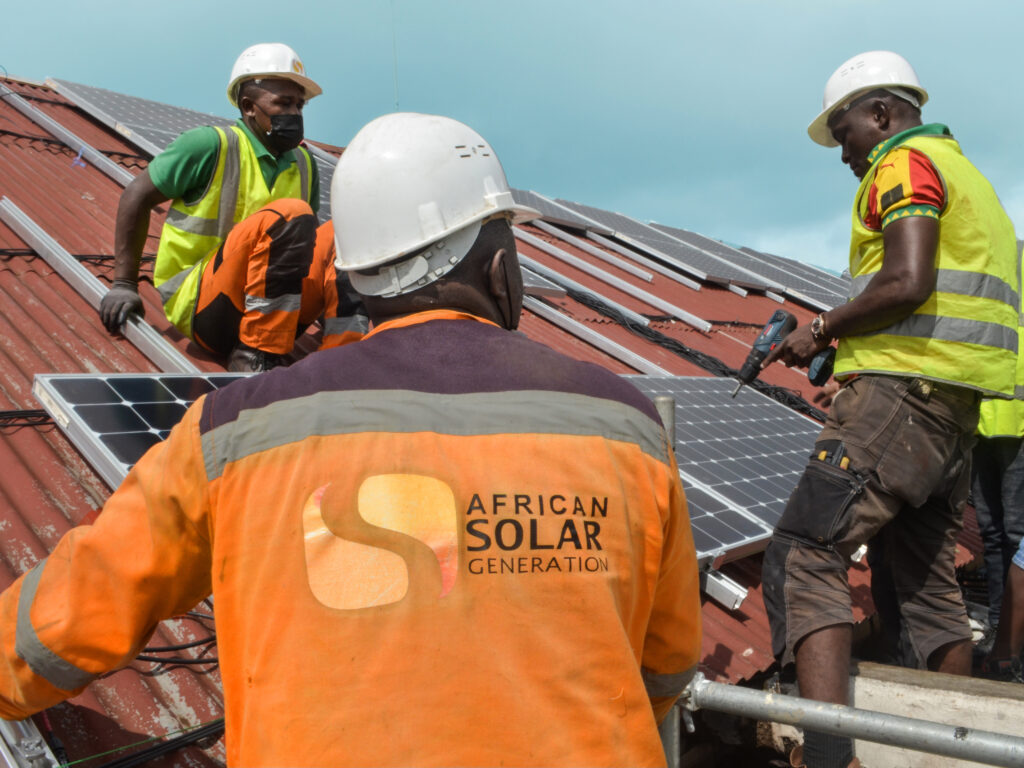
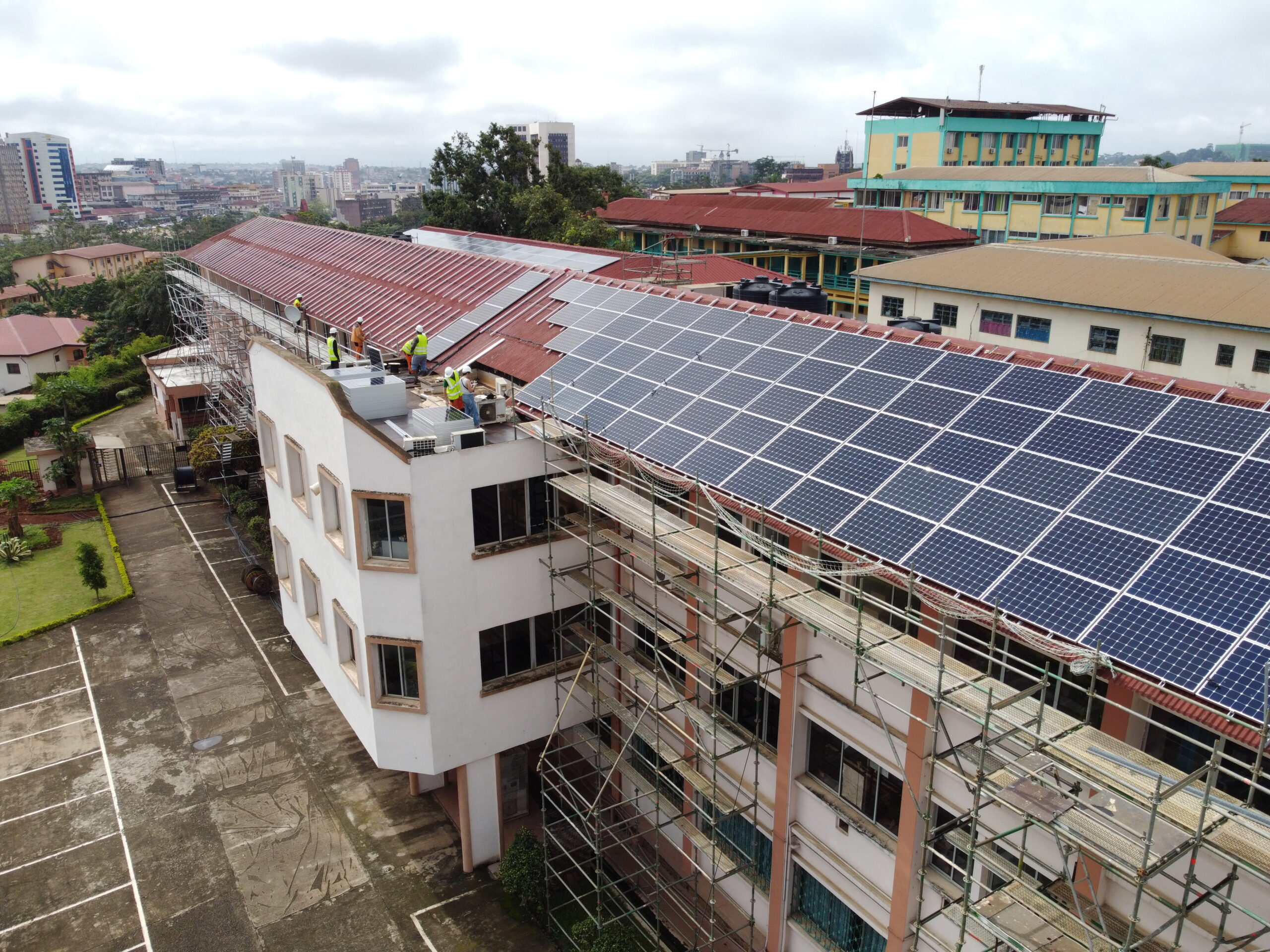
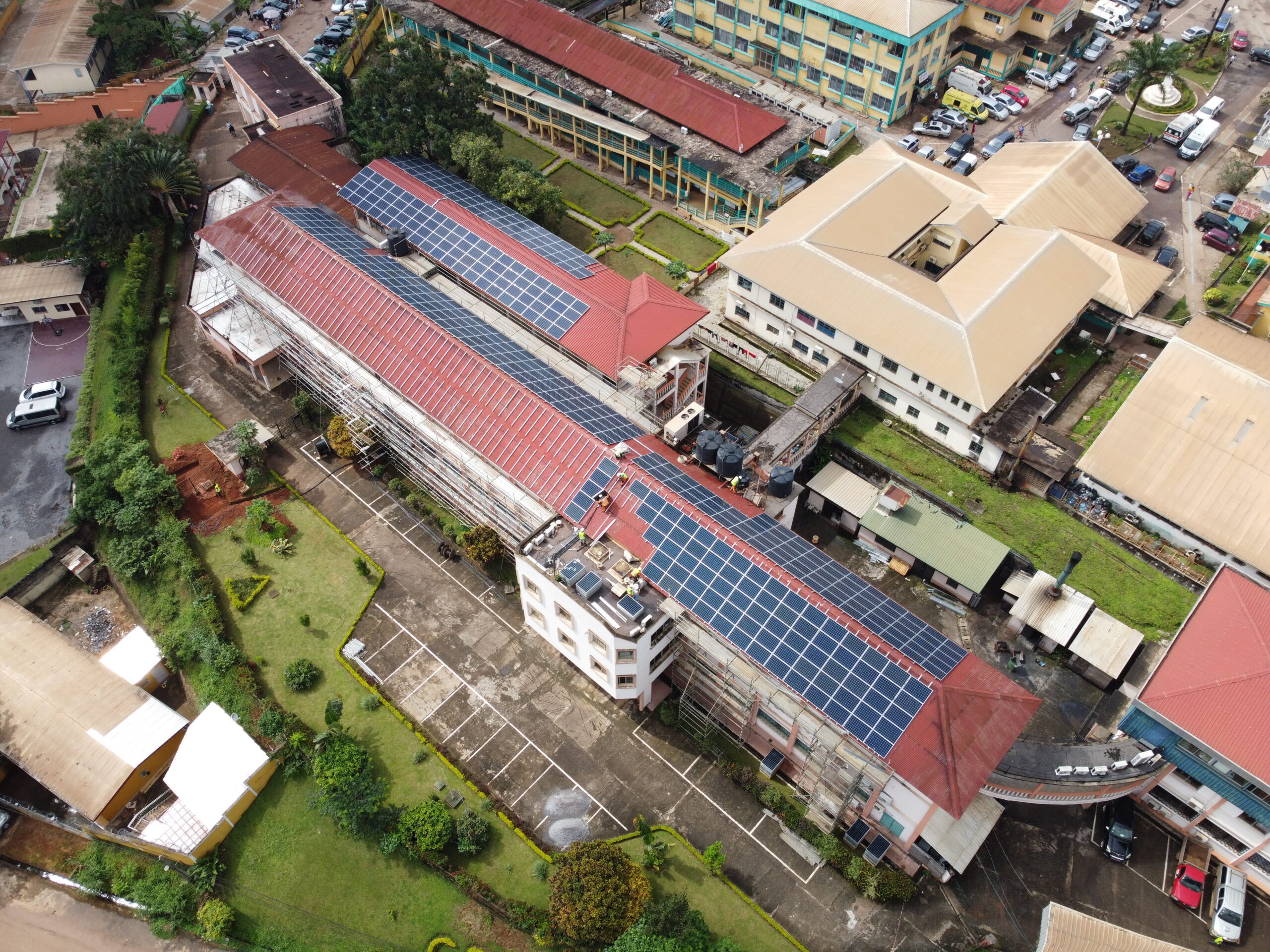
As a subcontractor of Entech Smart Energy, we installed a 200 kWp hybrid photovoltaic system on the roof of the Pasteur Center, with integration of an energy storage system (battery).
Our impact.
- Reduction in CO₂ emissions: ≈ 255 t CO₂/year
- Reduction in energy costs.
- Biomedical activities continue without interruption.
Health facility:
Cold rooms for the Expanded Program on Immunisation (EPI).
Ngoundéré, Adamaoua Region, 2023.
Maroua, Far-North Region, 2023.
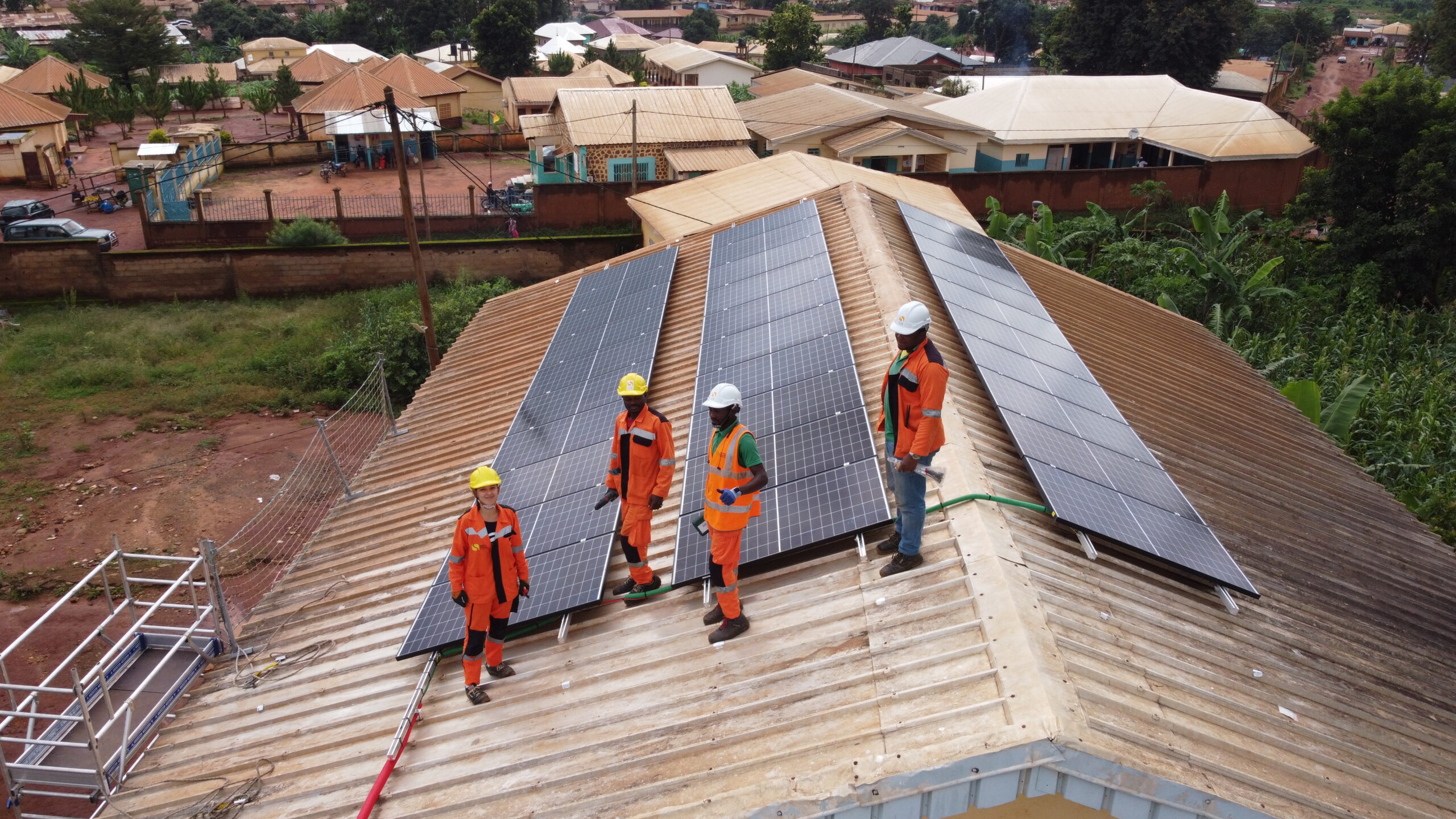
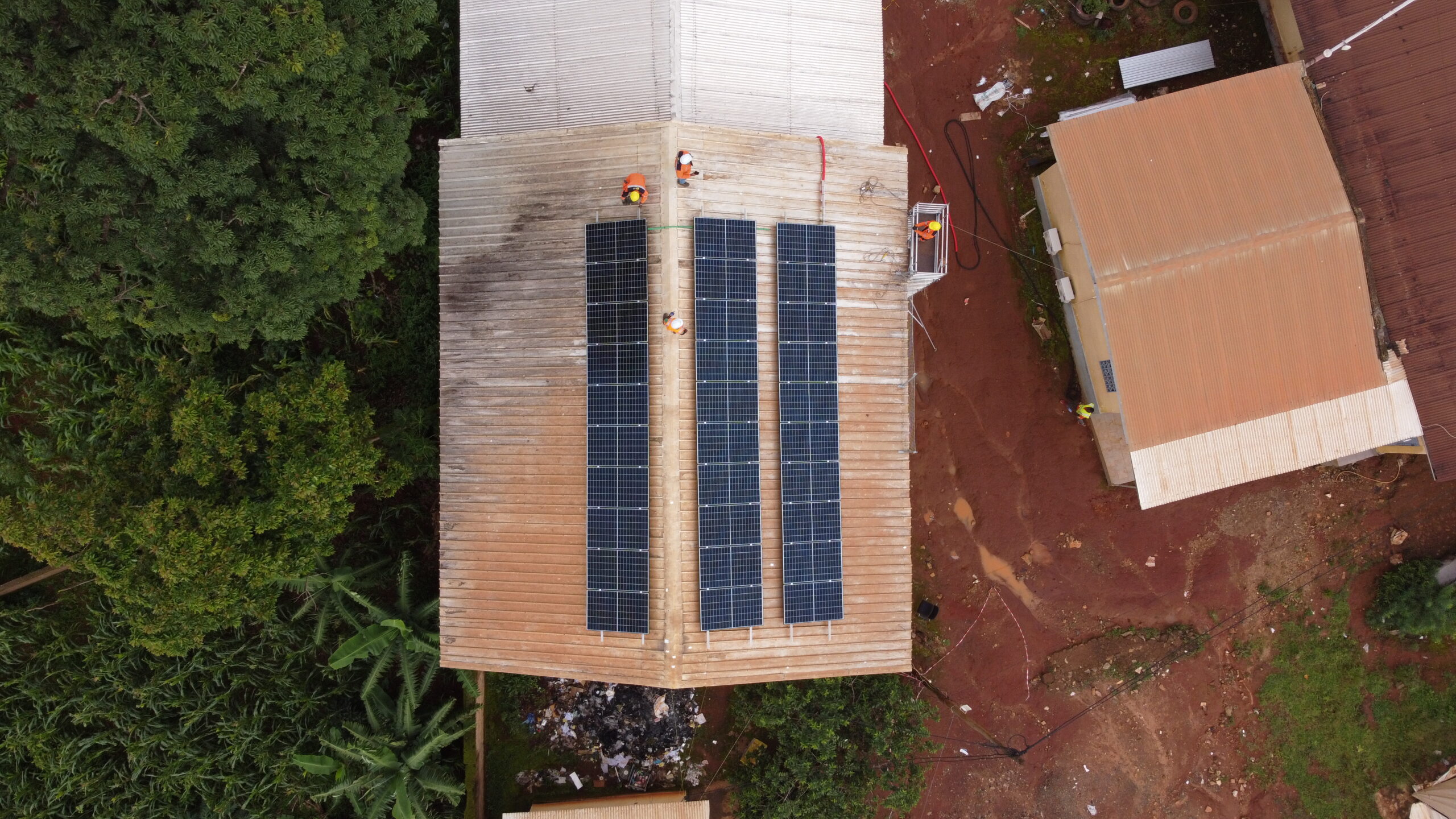
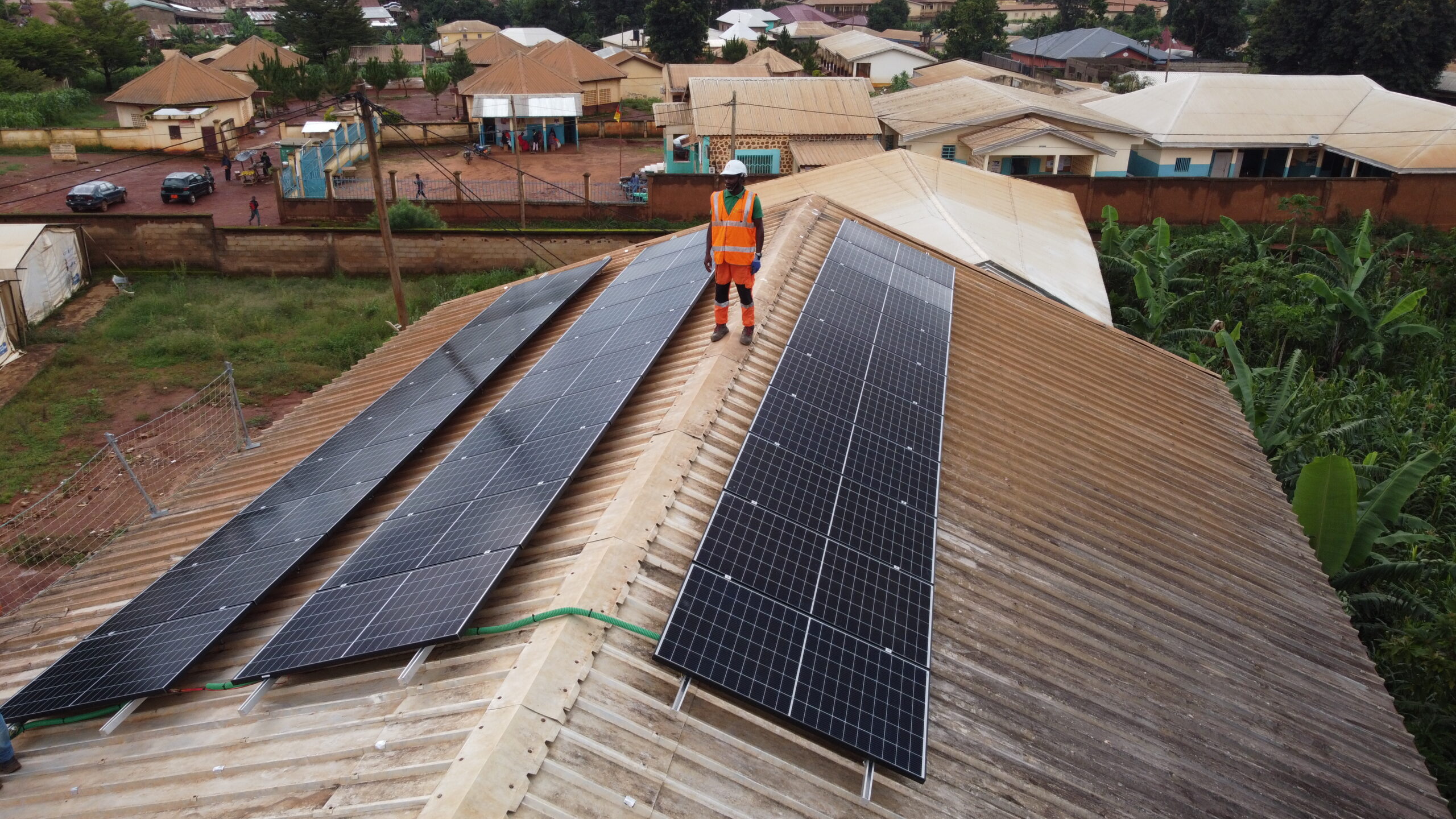
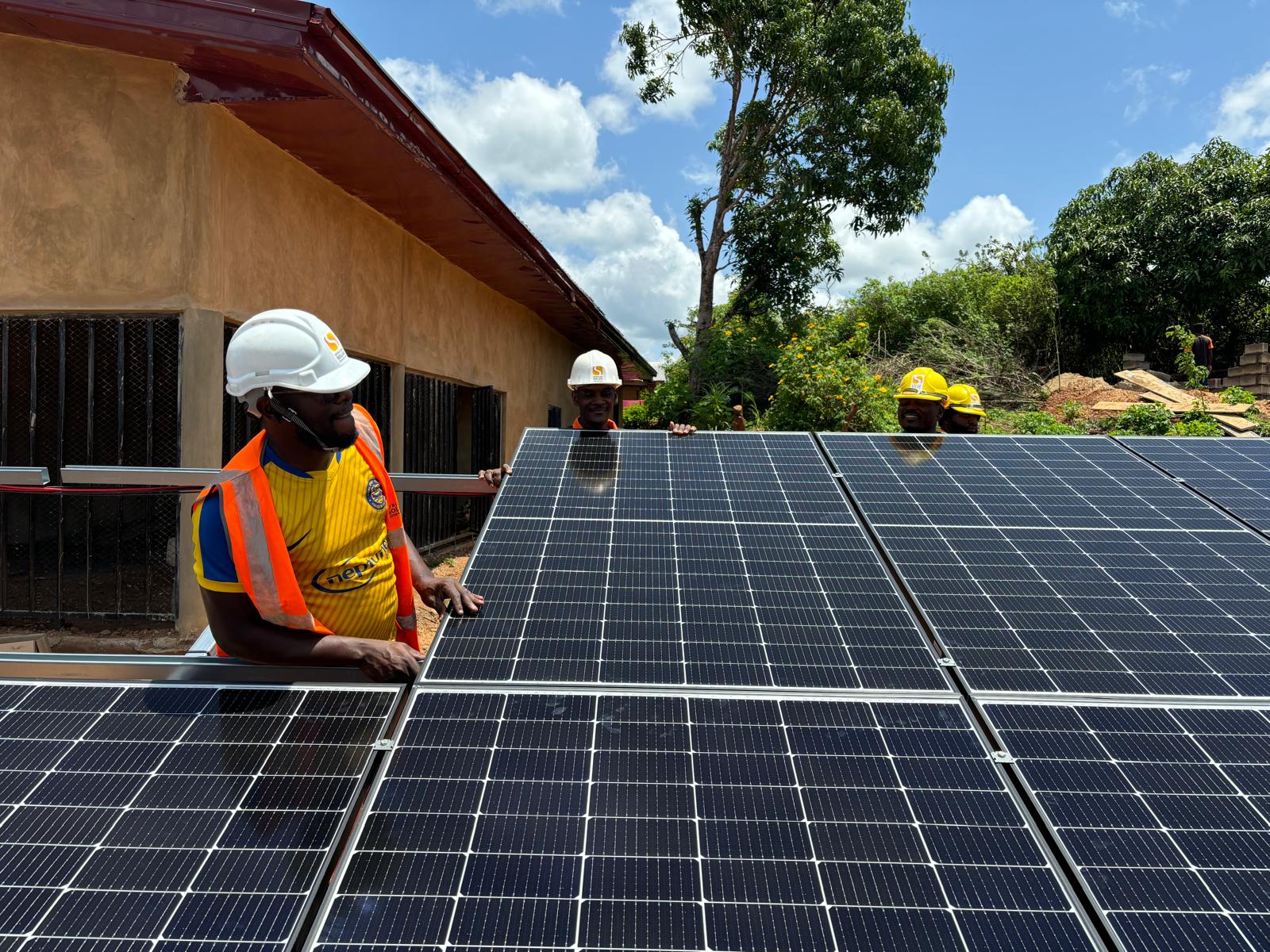
Context.
Frequent power outages compromised vaccine storage, while existing energy systems, which were often outdated or inefficient, failed to provide a continuous power supply to cold rooms. These constraints made it difficult to maintain the cold chain, which is essential to ensuring vaccine efficacy and the safety of vaccination campaigns.
Solution provided.
In collaboration with the GIZ , we equipped vaccin storage cold rooms for the EPI with a 9 kWp solar installation in Ngoundéré and a 13.8 kWp hybrid photovoltaic system in Maroua, with integration of an energy storage system (battery).
Our impact.
- Reduction in CO₂ emissions: ≈ 27.4 t CO₂/year
- Reduction in energy costs.
- Guaranteed cold chain for vaccines.


Humanitarian Organisation:
Air-water-machine for Aquavera.
Maka, West, 2024.
Context.
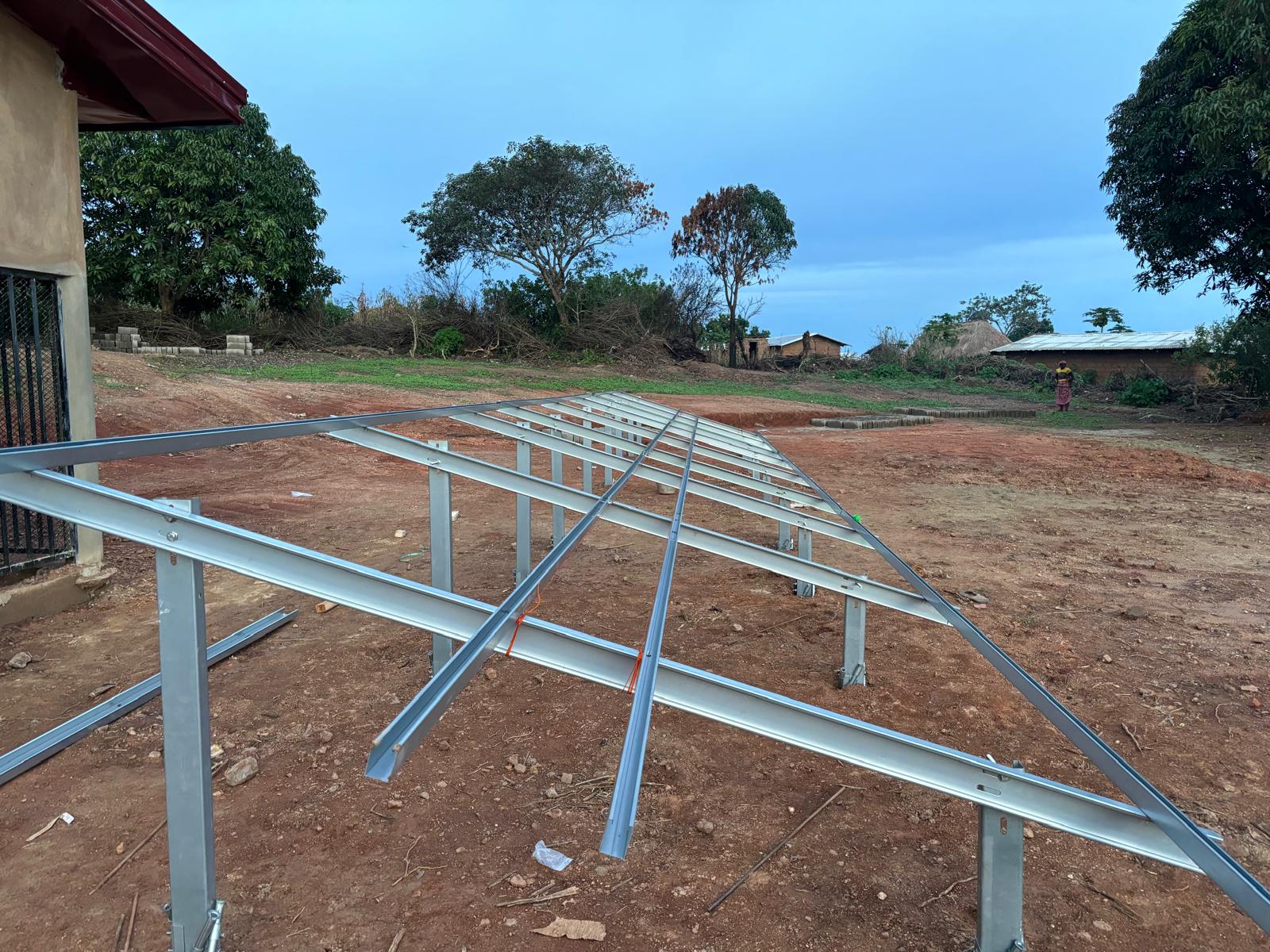
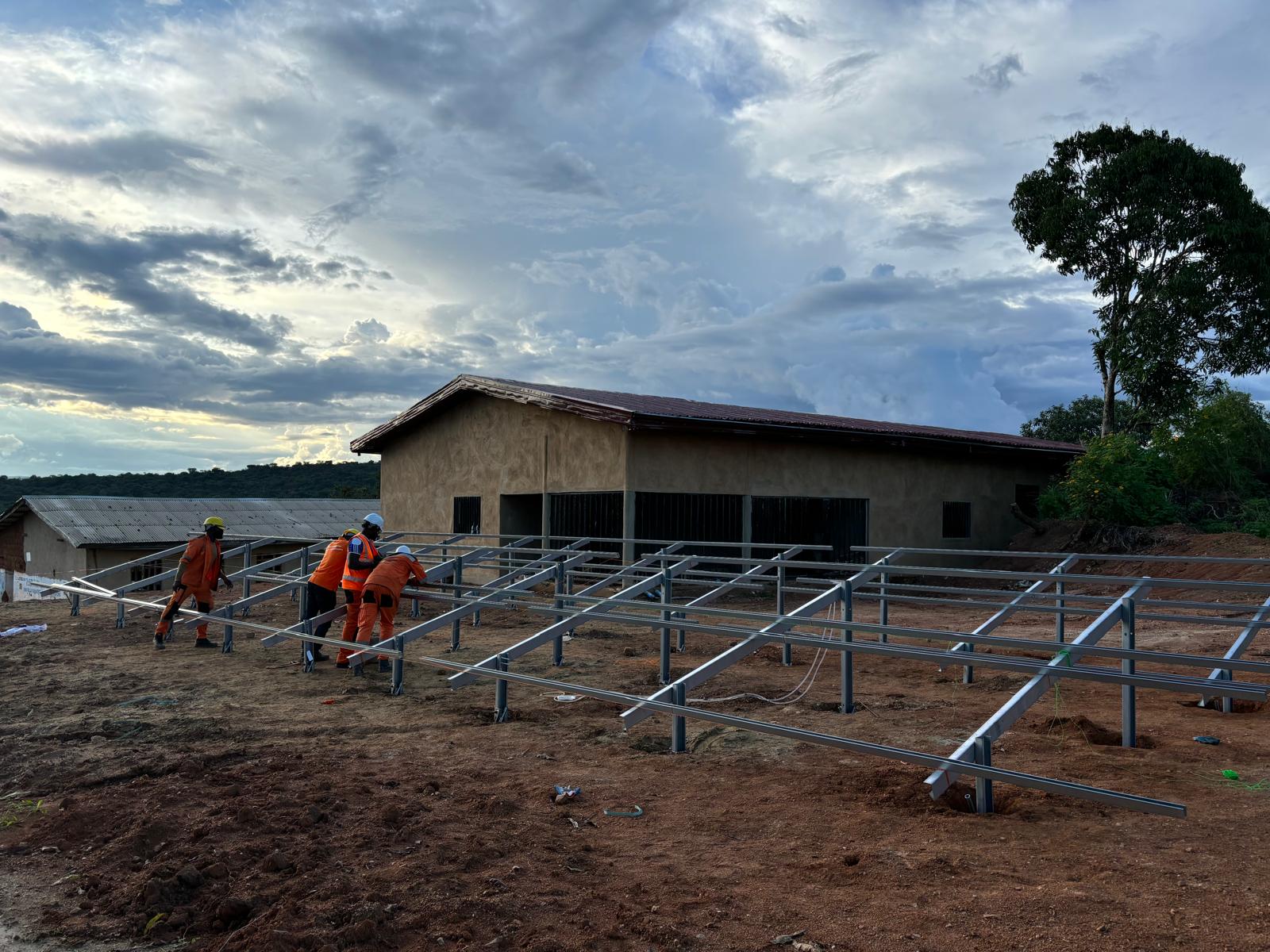
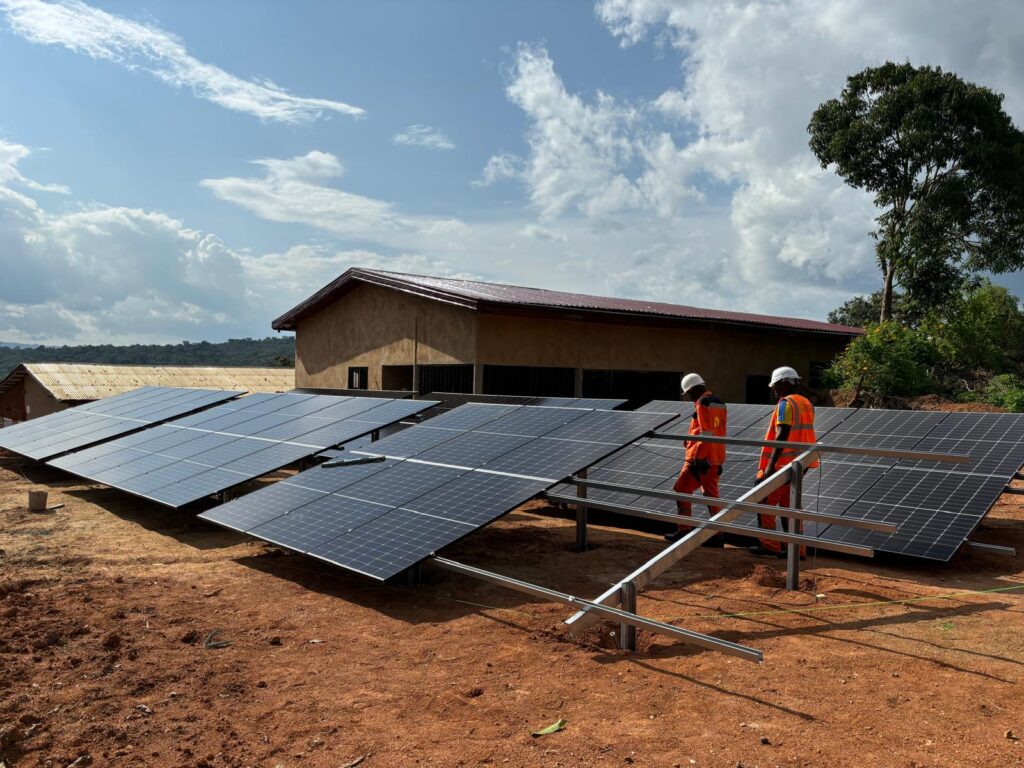
The village of Maka illustrates the risks incurred when communities do not have reliable and safe access to drinking water. In collaboration with local partners, the NGO Aqua Vera identified the need to install air-water machines in the rural area. As this is an isolated community, not connected to the national electricity grid, a reliable off-grid power supply solution is needed for these machines.
Solution provided.
Installation of a 25.8 kWp autonomous off-grid photovoltaic system on the ground, with integration of an energy storage system.
Indirect impact.
- Improved hygiene and reduction in waterborne diseases (malaria, river blindness).
- Better sanitary conditions and learning environments in schools.
- Reduced domestic workload thanks to easier access to drinking water.
- Strengthened community resilience to climate change.
Cutural institution:
Bapa Community Museum.
Bapa, West Region, 2020.
Context.
Within the Bapa community chiefdom, irregular power supply limited the promotion of cultural heritage, while existing facilities, often inadequate, did not allow for proper lighting and conservation of museum objects and spaces. These constraints made it difficult to welcome the public in modern conditions and to preserve the community’s cultural assets in the long term.
Solution provided.
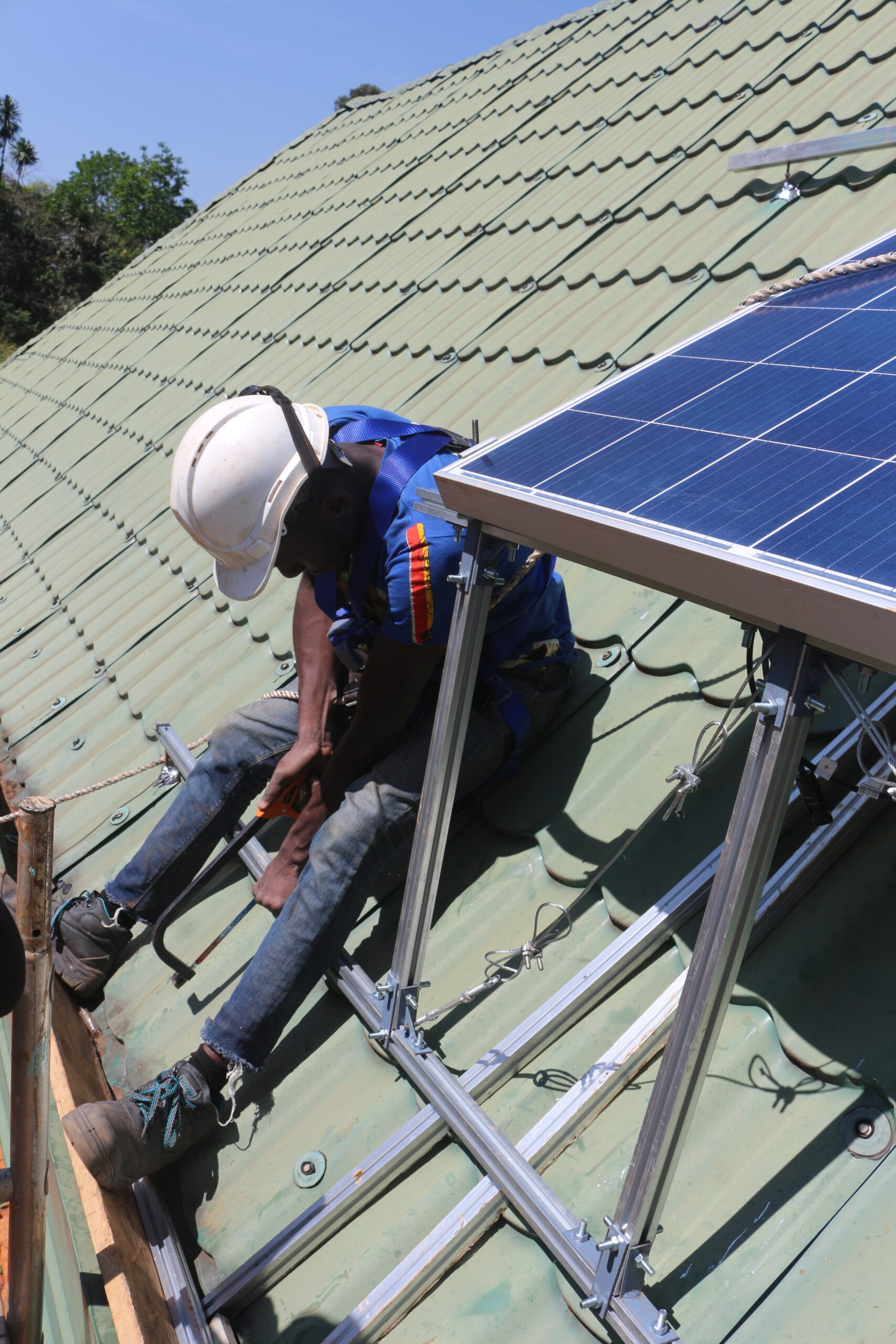
In this 4.4 kWp hybrid system, the museum is powered by solar energy as well as electricity from the grid. Our intervention has ensured a reliable and sustainable power supply, promoting the preservation of the cultural heritage of the Bapa chiefdom and improving conditions for welcoming the public.
Our impact.
- Reduction in CO₂ emissions: ≈ 5.3 t CO₂/year
- Significant reduction in energy costs.




Public institution:
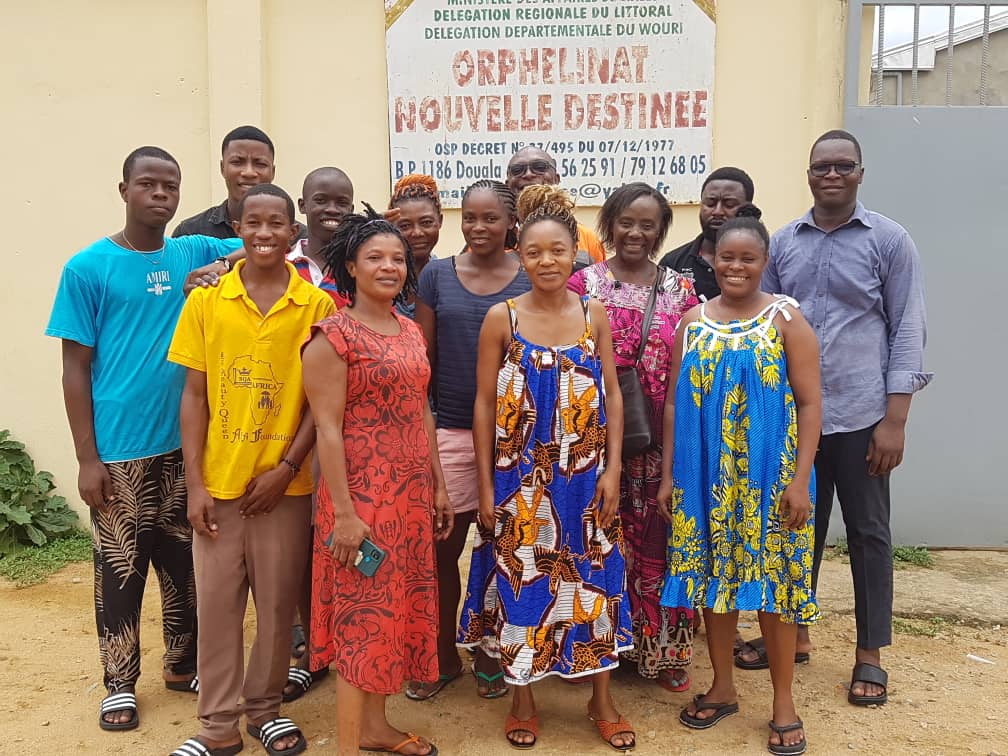
Nouvelle Destinée orphanage.
Douala, Littoral, 2025.
Context.
Frequent power cuts disrupted the children’s lives, while the old hybrid solar system was inefficient
and did not provide a reliable power supply. These conditions made it difficult to guarantee
a modern study and leisure environment adapted to the children’s current needs.
Solution provided.
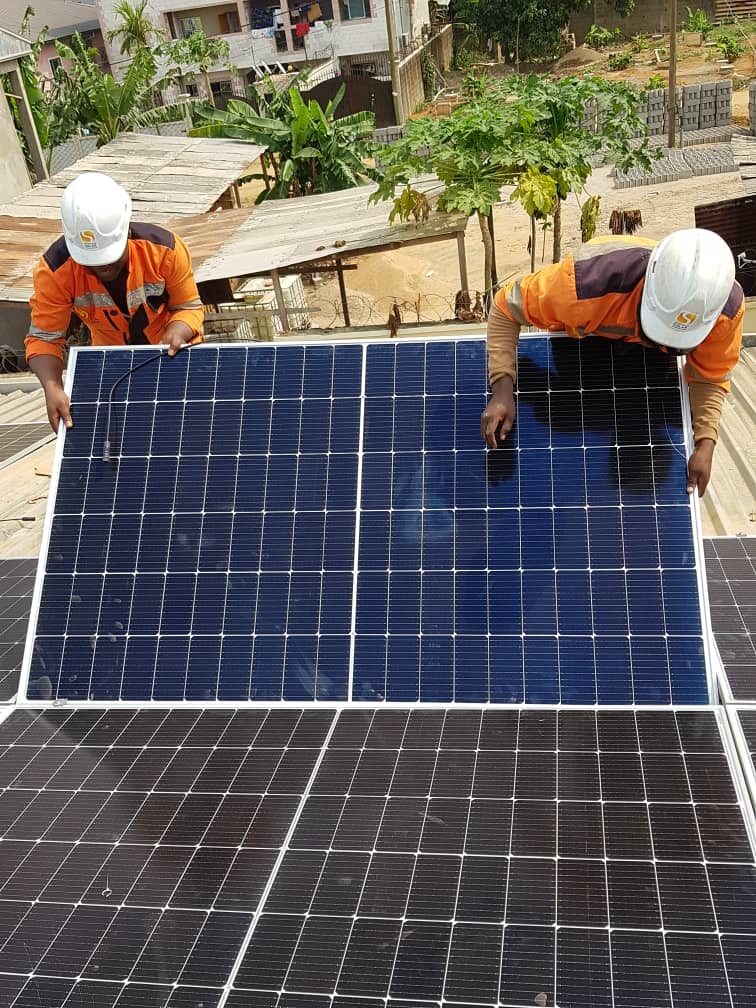
Installation of a 9.2 kWp hybrid photovoltaic system on the roof of the orphanage, with integration
of an energy storage system for evening operation.
Our impact.
- Reduction in CO₂ emissions: ≈ 12 t CO₂/year
- Significant reduction in energy costs.
- Better study conditions and quality of life for 62 orphans thanks to reliable electricity.